.
Sometimes our recollection of events defines our memories of days gone by, even when those happenings may have taken place in far off lands and had little bearing upon our own lives. Here we take a nostalgic day-by-day glance at some of the events which took place this month during the unforgettable year that was 1976 – a whole half-century ago!
.
1st November 1976
On this day in 1976 Lieutenant General Jean-Baptiste Bagaza overthrew President Michel Micombero of Burundi and installed the Supreme Revolutionary Council.
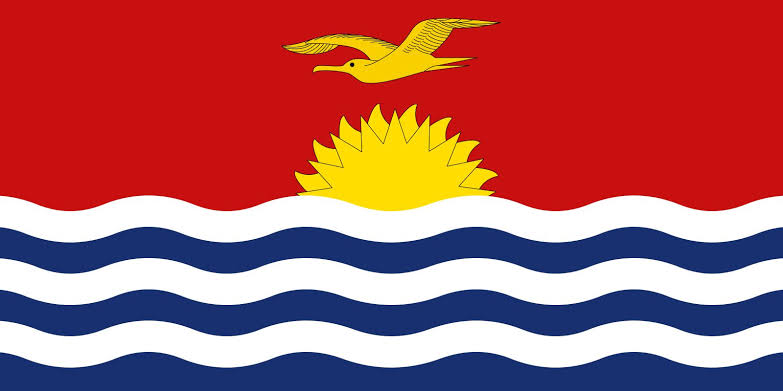
The United Kingdom granted independence to the Pacific island of Kiribati, formerly known as Gilbert Island.
.
.
2nd November 1976
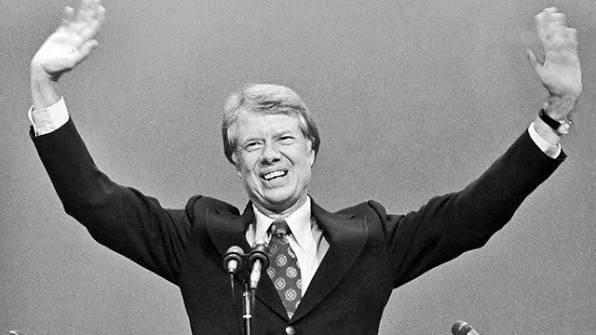
On this day in 1976 Jimmy Carter defeated the incumbent President Gerald Ford to win the 1976 US presidential election in Bicentennial year, becoming the first US president from the Deep South since the Civil War.
In Cuba the first legislative elections took place since 1958.
A bomb destroyed the home of French far-right leader Jean-Marie Le Pen. Six people suffered minor injuries, but the perpetrators were never caught.
.
3rd November 1976
On this day in 1976 Frenchman Jacques Mayol became the first person ever to dive 100 metres without the use of scuba equipment. The 49-year-old achieved the feat off the island of Elba in the Mediterranean.
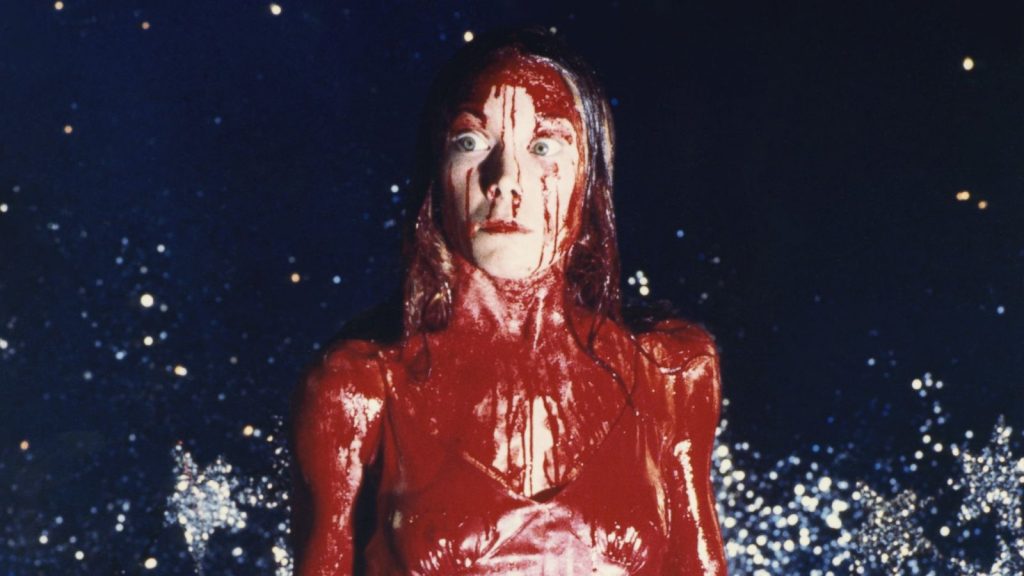
The iconic horror movie Carrie starring Sissy Spacek premiered in select cities before going out on general release later in the month.
An anonymous resident in Hillingdon, West London became the first ever person to win £100,000 on the Premium Bonds.
.
4th November 1976
On this day in 1976 a US District Court Judge ruled that the Family Viewing Hour – actually a two-hour window in which violent and sexual content could not be aired on television – was unconstitutional as a violation of the First Amendment guarantees of freedom of speech.
In the UK the Labour government was dealt a blow as the party lost two by-elections in “safe” Labour seats – Workington and Walsall North – and only narrowly held on to Newcastle-upon-Tyne Central.
.
5th November 1976
On this day in 1976 India’s parliament voted to suspend elections for the second consecutive year.
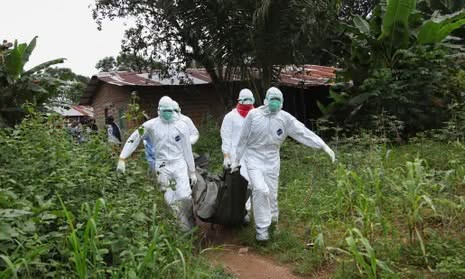
The first epidemic of the Ebola virus came to an end with the death of the last of its 280 victims. It would not return until 1995. A British laboratory technician working at Porton Down became the first European victim when he accidentally pricked himself with a contaminated needle. He was successfully treated and made a full recovery.
.
6th November 1976
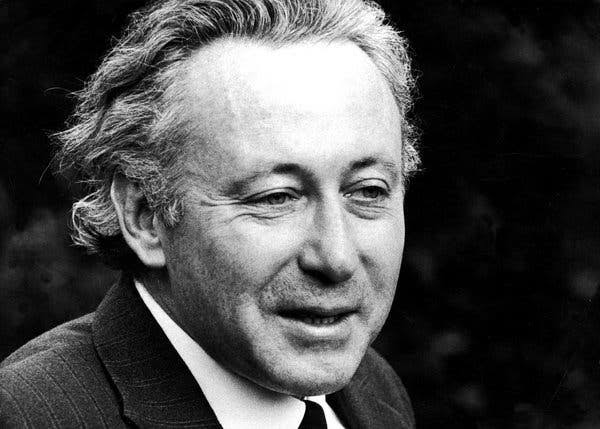
On this day in 1976 nearly 800 men were forced to undergo vasectomies in Haryana, India, as part of Prime Minister Indira Gandhi’s programme of compulsory sterilisation.
Dr Zhores Medvedev, a prominent Soviet biochemist living in exile in London, revealed that in 1957 an explosion of stored nuclear waste had contaminated an area inhabited by 270,000 people in Kyshtym, a fact kept secret by the Soviet authorities.
.
7th November 1976
On this day in 1976 the Albanian Communist Party re-elected Enver Hoxha to the leadership of the nation, of which he had already been in charge for 35 years.
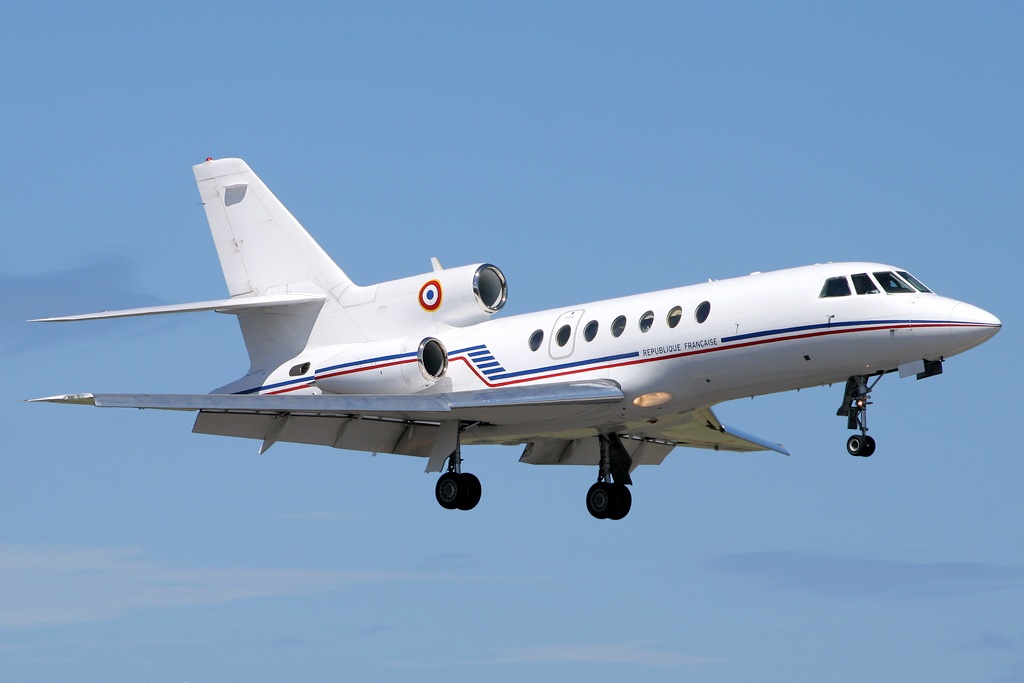
The Dassault Falcon 50, France’s three-engined, long-range business jet. made its maiden flight.
The 1939 film “Gone With the Wind”, starring Clark Gable and Vivienne Leigh, made its television debut with NBC.
.
8th November 1976
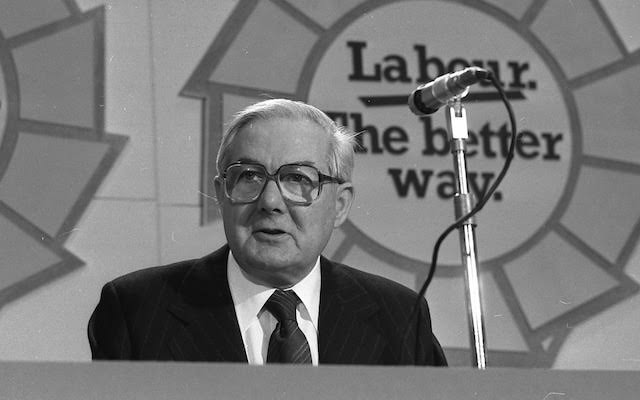
On this day in 1976 the British House of Commons passed an informal vote of confidence in the government of James Callaghan by just one vote. The debate was on the issue of nationalising the UK’s shipbuilding and aircraft industries.
A series of earthquakes spread panic in the Greek city of Thessaloniki, which was evacuated.
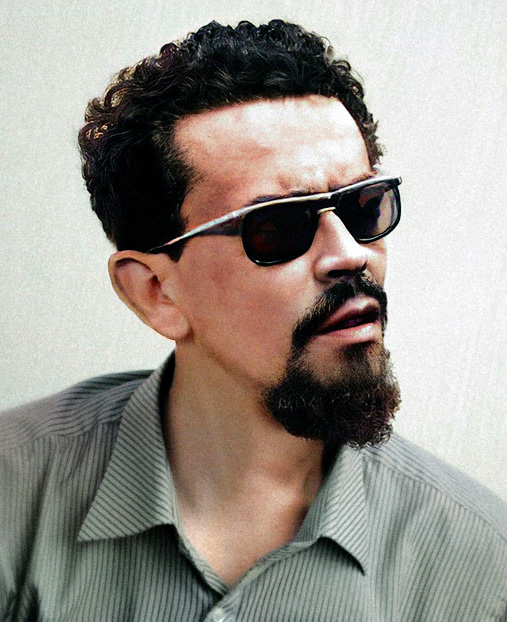
Carlos Fonseca Amador, aged 40, leader of the Sandinista Liberation Front, was killed by Nicaraguan Army troops after having been captured in Waslala.